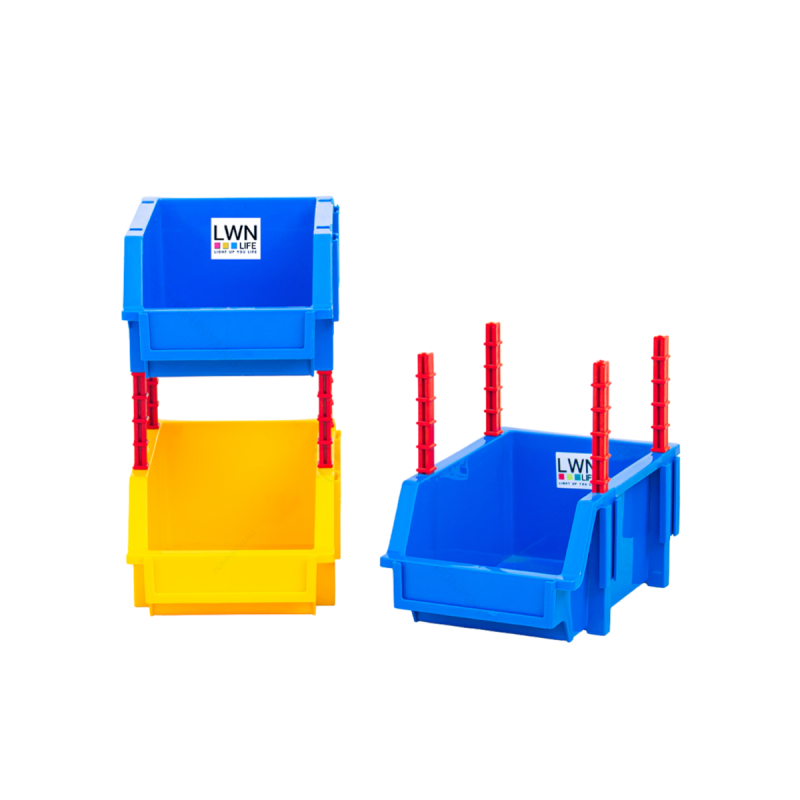


What do different colors mean in industrial settings? Did you know that the four popular colors of LWNLife toolboxes and parts boxes—red, green, yellow, and blue—each carry a specific meaning related to how they are used? Understanding these color codes helps you organize items more effectively, improve safety, and make your workplace easier to navigate.
Using different box colors makes it easy to tell types of items apart at a glance. Today, LWNLife shares the industrial meaning behind the four main colors of our products, with practical ideas for organizing your warehouse, workshop, or office.
Table of Contents
Why Different Colors Mean So Much in Industrial Settings
Color is one of the fastest ways to communicate information. Workers recognize a color long before they can read a label, which is why safety standards around the world rely on color coding. For example, the US OSHA standard 1910.144 specifies red for fire protection equipment and danger, and yellow for caution. International safety signs follow similar rules under ISO 3864.
Once you know what different colors mean in industrial settings, you can apply the same logic to storage boxes and crates. This helps teams pick the right item quickly, reduces mistakes, and supports 5S and lean workplace programs.
Green Toolbox: Safety and Non-Hazardous Items
Green is often associated with nature and safety. In an industrial context, green represents non-hazardous materials, first-aid supplies, or products designed for medical use.
When using green toolboxes, we recommend storing items that are chemical-free and not sharp, so anyone can handle them safely. Good examples include clean packaging materials, labels, gloves, and general consumables.
Red Toolbox: Fire Protection and Danger
Red evokes strong emotions such as passion, excitement, or anger. In industrial use, red signals fire protection equipment or dangerous items that require caution. Red zones typically mark hazardous areas that should be avoided.
Use red boxes for items that need extra care, such as sharp cutting tools, defective parts waiting for inspection, or emergency equipment that must be easy to find.
Yellow Toolbox: Caution and Attention
Yellow is a bright, positive color associated with alertness, energy, and warmth. In industrial settings, however, yellow also serves as a warning for hazards that could injure people or damage property.
In retail, items placed in yellow boxes or on yellow shelves are more eye-catching, which can help boost sales of promoted products. In a factory, yellow boxes work well for items that need inspection or special handling.
Blue Toolbox or Blue Solid Crate: Professional and Reliable
Blue represents professionalism, safety, and reliability. It is commonly used in factories for crates, baskets, and boxes because of its association with standardization.
Blue toolboxes help create a clean, organized, and professional image in factories and leave a positive impression on visitors touring production lines. They are a great default color for general parts and everyday tools.
How to Build a Simple Color-Coding System
- Assign one color to each category of items and write the rules on a visible chart.
- Add printed labels to the label slot on the front of each box for extra clarity.
- Keep the same color rules across all departments so new staff quickly learn what different colors mean in industrial settings at your site.
- Review the system regularly as part of your 5S audits.
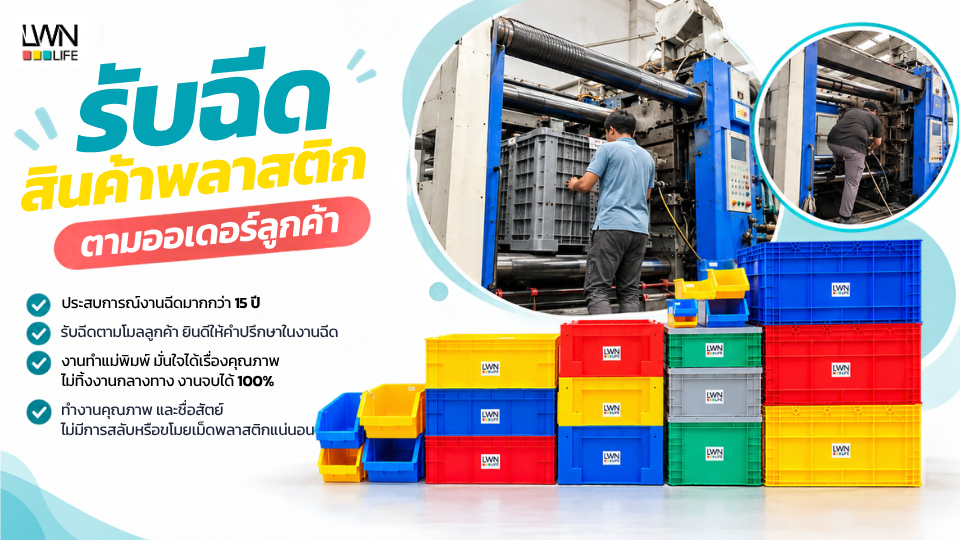
Now that you know what different colors mean in industrial settings, put it into practice. LWNLife produces stackable parts boxes in red, green, yellow, and blue, made in our own factory in Thailand. Browse the full range in our online shop to start color-coding your workplace today.
Compiled by Minty