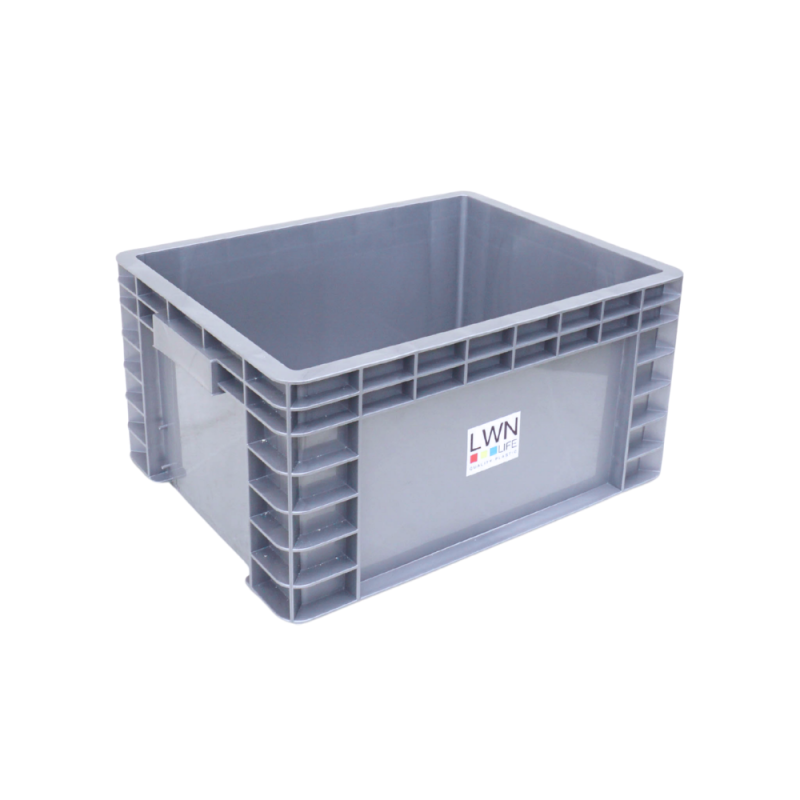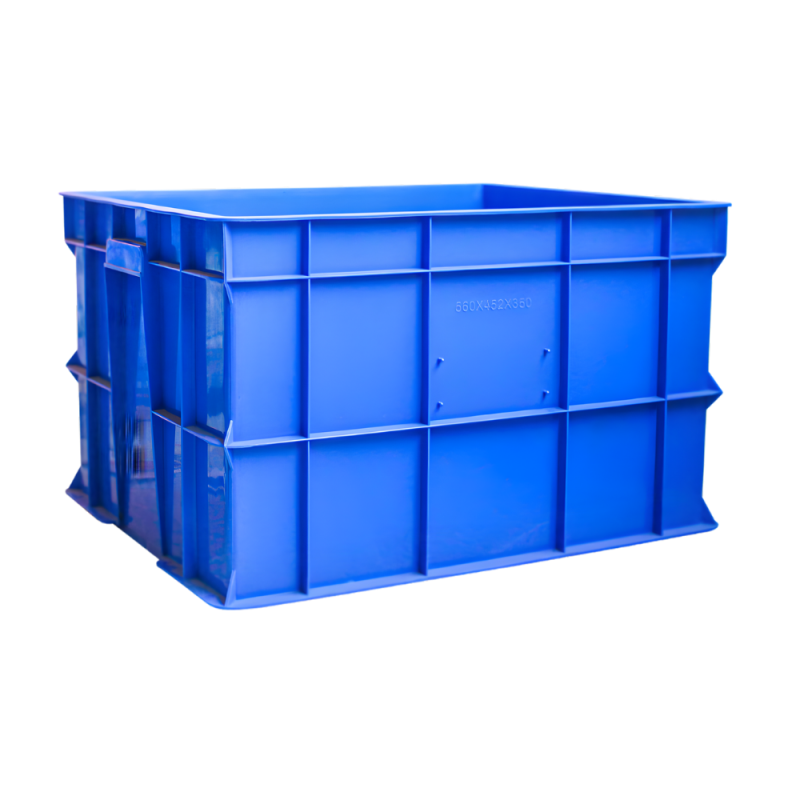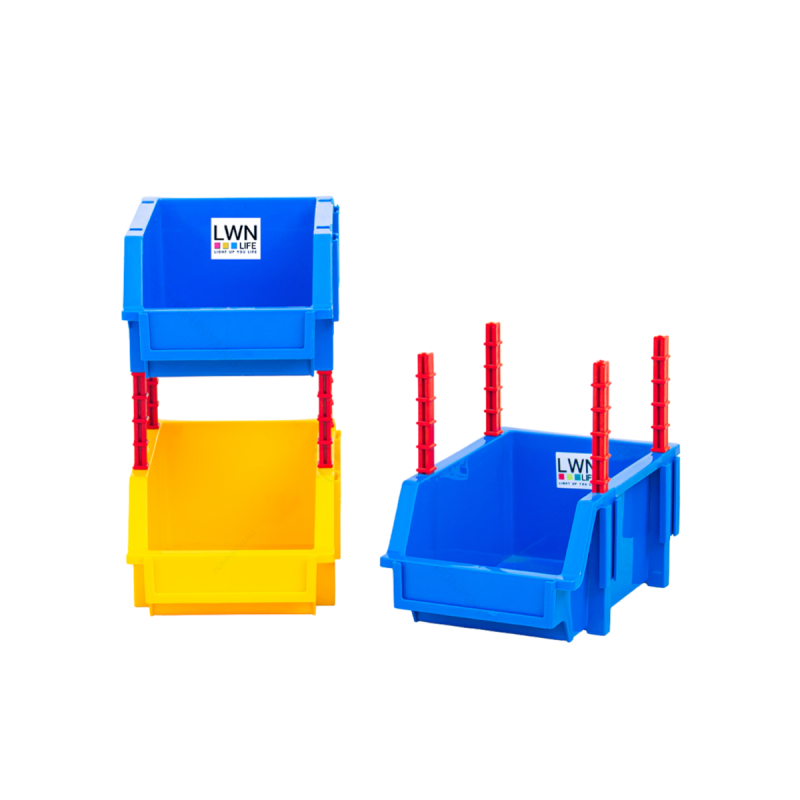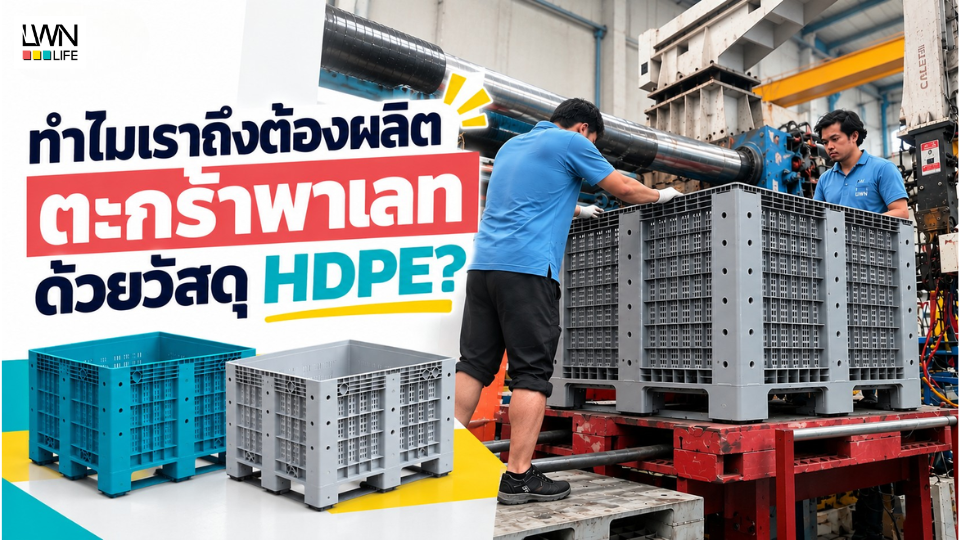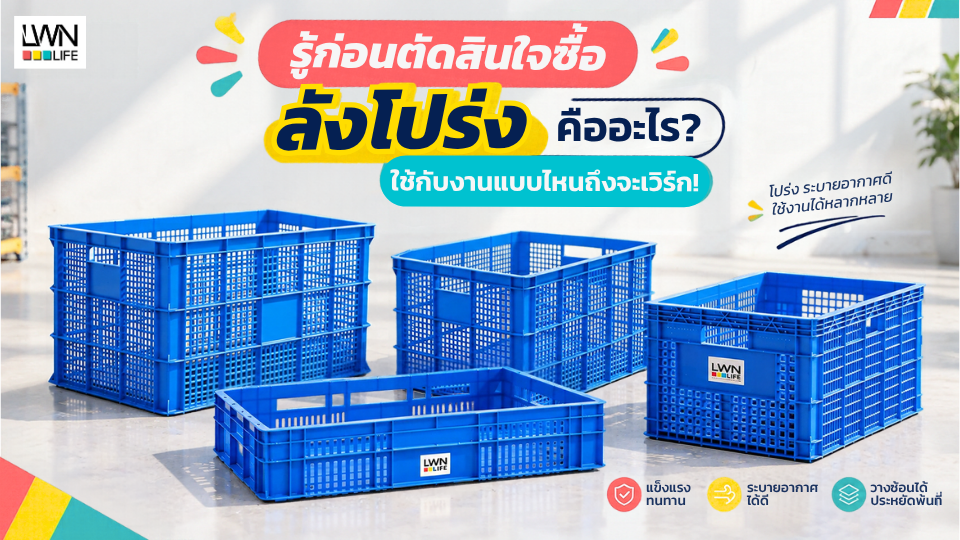

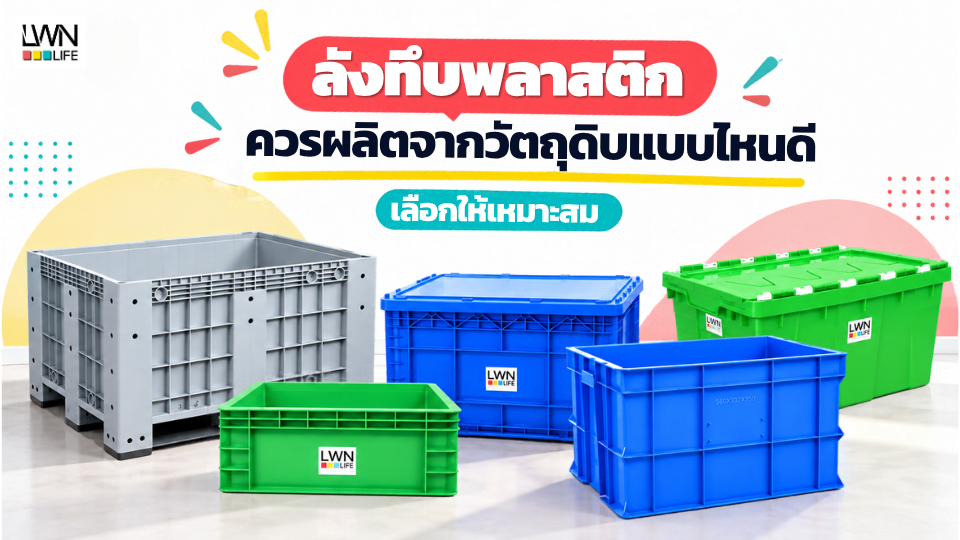
Choosing the right material for solid plastic crates makes a big difference to how long they last and how well they perform. Solid plastic crates, also called industrial crates, are mainly made from two types of plastic: PP (polypropylene) and HDPE (high-density polyethylene). Each has its own strengths and limitations.

Table of Contents
Advantages of PP (Polypropylene)
- Easy to mold and strong: PP is easy to shape, light, and strong, with a melting point of about 160–170 °C.
- Customizable colors: colors can be mixed to match customer requirements for an attractive finish.
- Chemical resistance: resists many chemicals, including acids and bases, so it suits the chemical industry.
- High flexibility: PP bends and twists without breaking.
Limitations of PP
- Poor cold resistance: PP can become brittle and crack at very low temperatures.
- Low transparency: not suitable when you need to see products inside the container.
PP is widely used for household items, storage boxes, solid crates, and general-purpose industrial crates because it is light, tough, and affordable. PP for crates comes in several grades, from food-grade plastic that can safely touch food to recycled grades that lower cost, so you can choose the grade that fits your use. Learn more about polypropylene on Wikipedia.
Advantages of HDPE (High-Density Polyethylene)
- Better chemical resistance than PP: often used for packaging that must resist harsh chemicals, such as bathroom cleaner bottles.
- Density and strength: high density gives high strength and excellent impact resistance.
- Flexibility: despite its strength, HDPE flexes with heat and cold, so it is popular for outdoor products such as trash bins.
- Moisture and cold resistance: HDPE does not absorb water and handles low temperatures better than PP, making it ideal for cold storage—for example, LWNLife pallet boxes.
Limitations of HDPE
- Higher cost and weight: HDPE costs more than PP and is slightly heavier because of its density.
- Harder to print: the surface needs flame treatment before printing or screen printing, which adds steps and cost.
Which Material for Solid Plastic Crates Should You Choose?
- General storage, handling, or printed logos: PP offers the best value.
- Cold rooms, outdoor use, chemicals, or heavy impacts: choose HDPE.
- Direct food contact: always choose a food-grade material.
Frequently Asked Questions
Can I use PP crates in a cold room?
PP works well at normal temperatures, but it can become brittle in very cold conditions. For freezers and cold storage, HDPE is usually the safer choice.
Are recycled plastic crates strong enough?
Recycled grades lower the price and are fine for many general uses, but new plastic is stronger and more consistent. For heavy loads, food contact, or long service life, choose crates made from new material.
Can you print our logo on the crates?
Yes. Logos print easily on PP crates. HDPE crates need a flame treatment before printing, so printing on HDPE takes a little longer and costs a bit more.
Which material lasts longer outdoors?
HDPE usually handles outdoor use better because it stays flexible in heat and cold and resists impacts. Whichever material you choose, storing crates out of strong direct sunlight when they are not in use will help them last for many more years.
Still not sure which material for solid plastic crates fits your needs? Tell us how you plan to use your crates and our team will recommend the right material. See our HDPE food-grade Pallet Box KK-777, or browse solid crates in our online shop.