

Choosing quality storage boxes is easier when you know what to look for. Which models are available, and how do they differ? With warehouse and office space often limited, organized, space-saving storage has become essential. One of the most practical solutions is the stackable plastic storage box, often called a parts box, which keeps small items neat and easy to find.

These boxes are widely used in spare parts shops, hardware stores, hospital pharmacies, equipment rooms, and offices that need to organize tools and supplies systematically.
Table of Contents
Types of Plastic Storage Boxes
There are two main types of plastic storage boxes in common use.
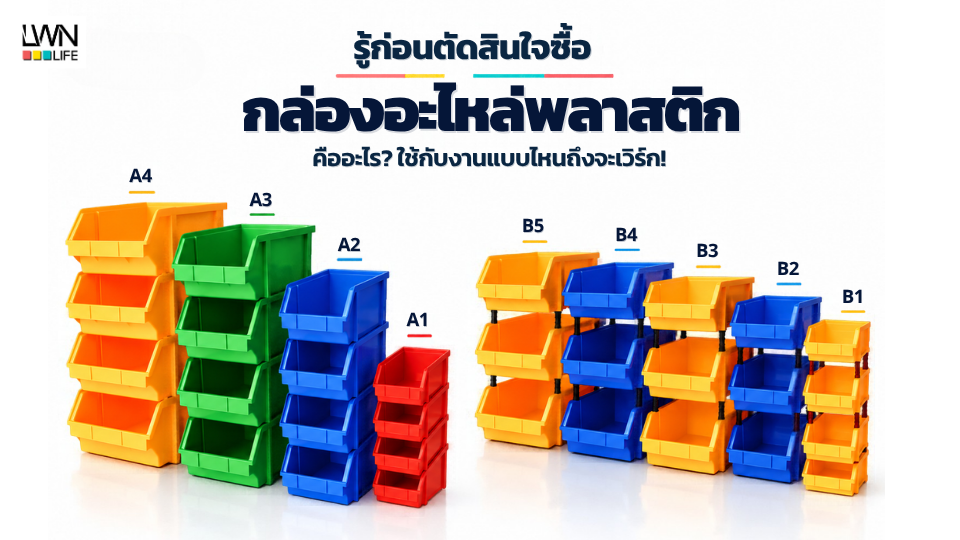
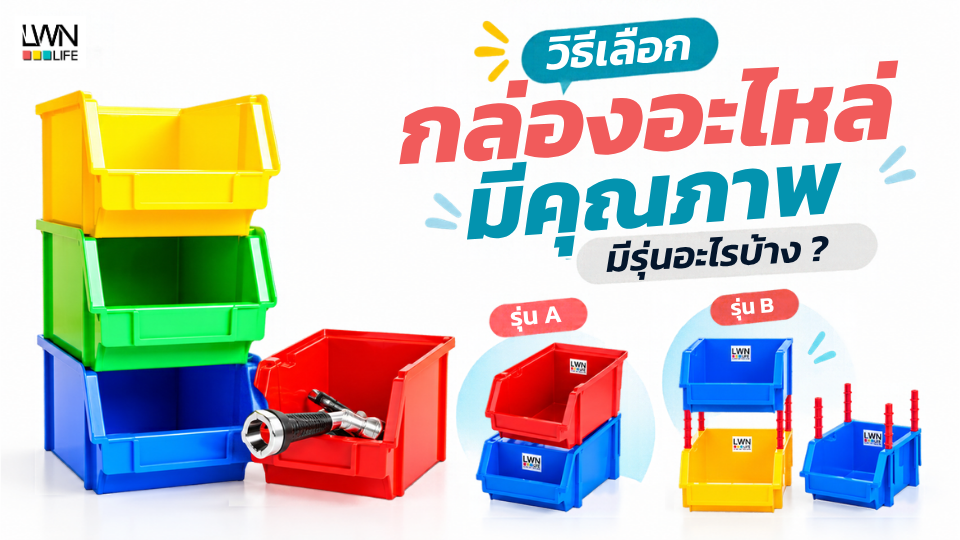
Stackable Storage Boxes (Type A)
- Design: an interlocking base lets boxes stack securely on top of each other.
- Benefits: very strong with a high load capacity, because weight is spread along the box edges.
- Ideal for: heavy items such as nuts, bolts, metal parts, and steel components.
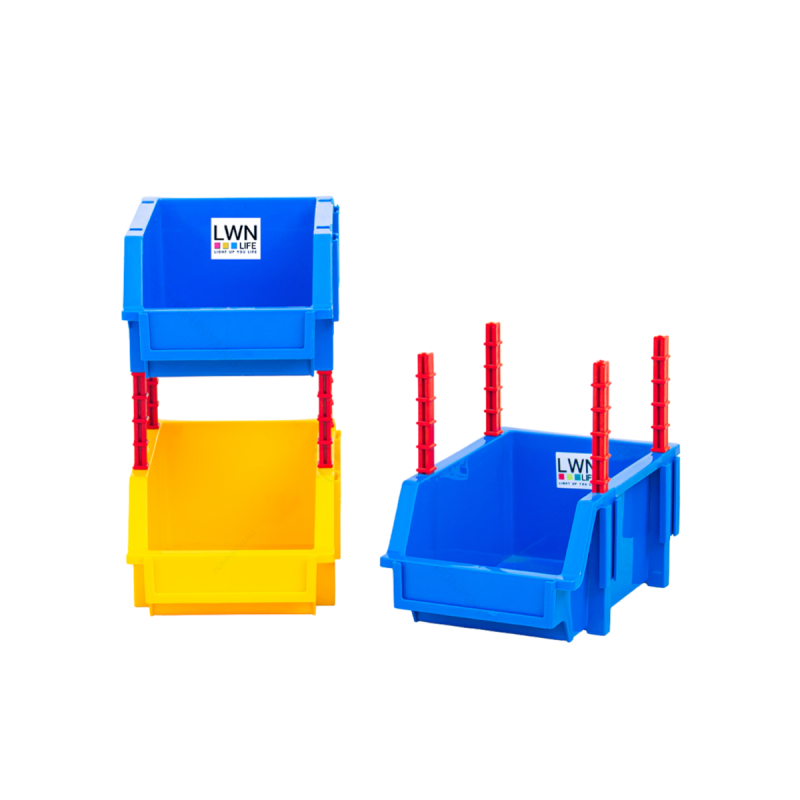
Storage Boxes with Extension Legs (Type B)
- Design: boxes connect through extension legs, adding space and stability between units.
- Benefits: wide front openings for easy access—even on small sizes—and clear visibility of contents.
- Ideal for: building a shelving system for parts that are picked often.
Choosing Quality Storage Boxes: What to Check
- Material: choose boxes made from 100% new plastic, which you can usually recognize by bright, vibrant colors.
- Thickness: tap the sides—a dull, solid sound indicates thick walls suitable for heavy loads.
- Stacking test: make sure the locking mechanism holds firmly when stacked yet unlocks easily when needed.
- Durability: boxes made from new polypropylene (PP) are stronger, more flexible, and less likely to crack.
Always check the material and wall thickness before you buy. A cheap box that cracks under load costs more in the long run than a durable one.
LWNLife Plastic Storage Boxes
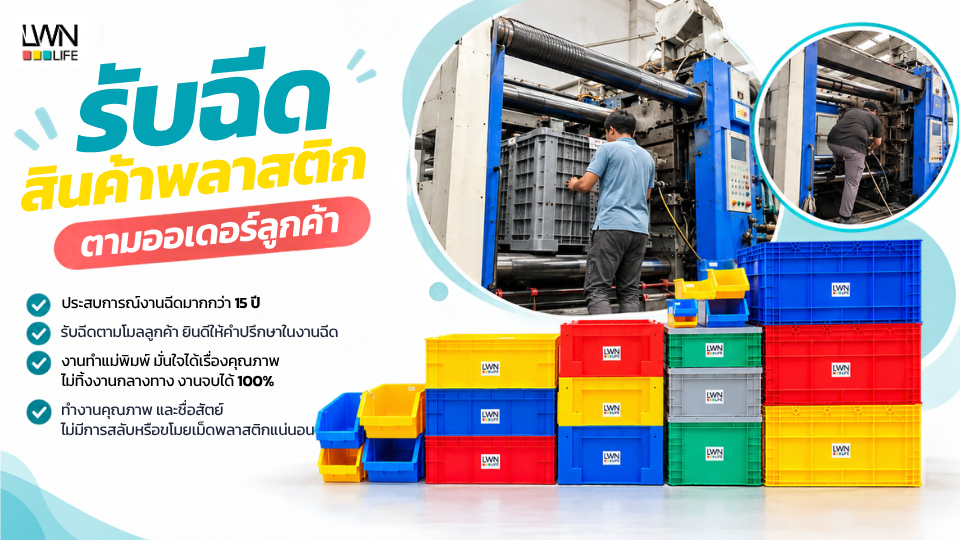
- Made from 100% new PP plastic pellets for strength and durability
- Load-tested by King Mongkut’s University of Technology Thonburi (KMUTT)
- Available in four colors: red, green, yellow, and blue
- Manufactured in our own factory in Thailand for consistent stock
- Nationwide delivery, with free shipping in Bangkok and nearby areas on qualifying orders
Tips for Organizing with Storage Boxes
- Group parts by type or by how often you use them, and keep the most-used items at waist height.
- Label every box on the front so anyone can find items without opening each one.
- Use one color per category—for example blue for fasteners and red for electrical parts.
- Leave a little space in each box so parts can be picked quickly without spilling.
- Review your layout every few months and adjust box sizes as your stock changes.
Choosing quality storage boxes once saves you from replacing cracked boxes again and again, and a well-planned layout keeps your workshop, store, or warehouse efficient every day.
How much weight can a parts box hold?
It depends on the size and design. Larger boxes and Type A interlocking boxes generally carry more weight. Ask our team for the tested load figures of each model before you order.
Which Model Should You Choose?
Pick a Type A box when you need maximum strength for heavy metal parts, and a Type B box with legs when you want an open shelf system with quick access. Measure your shelf depth and the size of your largest parts before ordering, and consider using different colors for different categories.
See sizes and prices for our stackable parts boxes with legs, or browse every model in our online shop.