

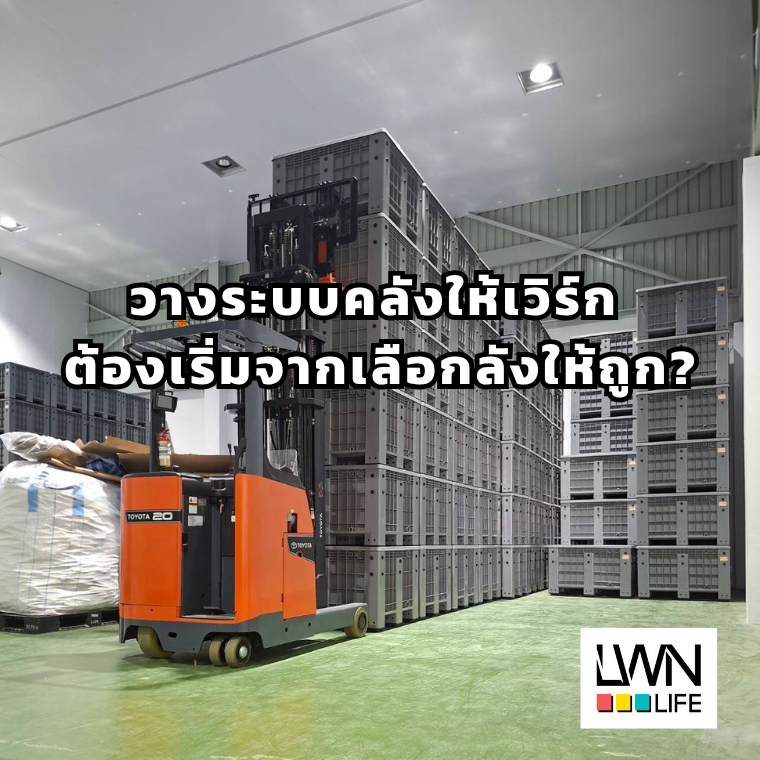
Setting up a warehouse system that really works starts with a simple decision: choosing the right crates and boxes. Here is why it matters and what to look for.

Why the Right Crates Matter for Your Warehouse System
A warehouse is like a vital organ of a business: it keeps products flowing to customers. Crates and boxes are the building blocks of that flow. The wrong crates waste space, slow down picking, and damage goods; the right ones make every step faster and safer.
1. Match the crate to the type of goods
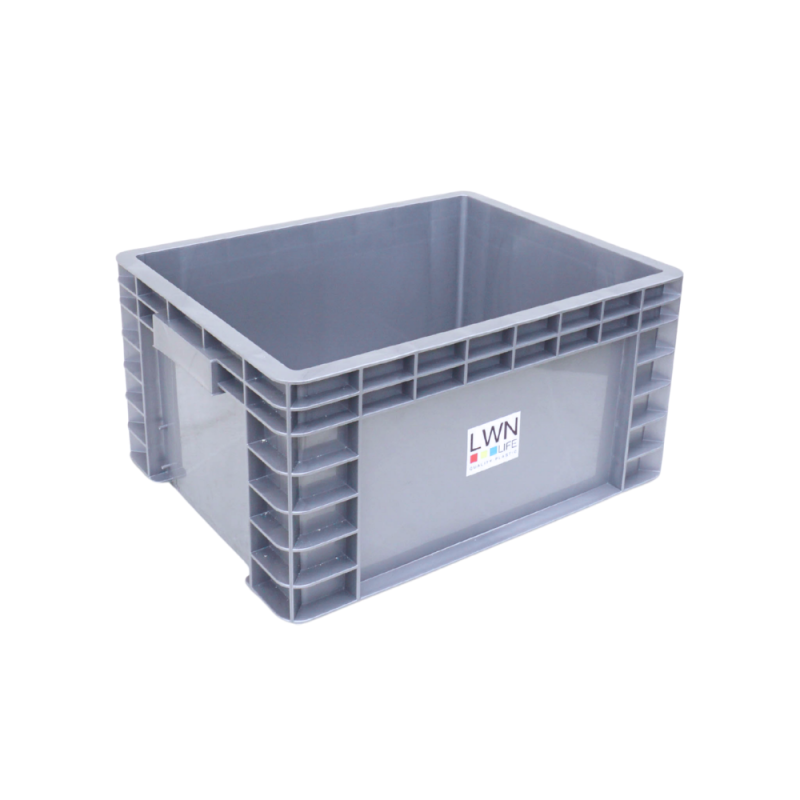
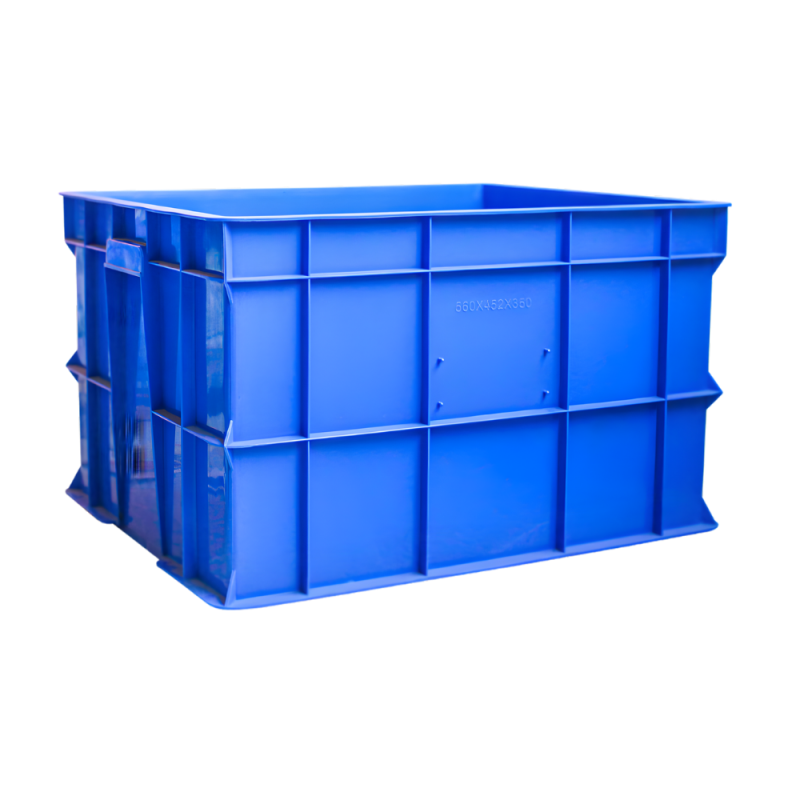
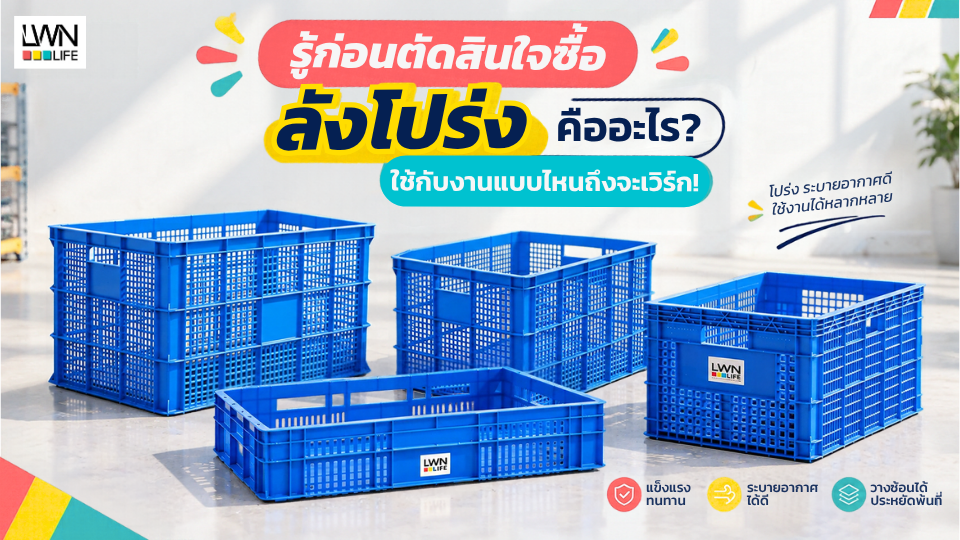
Fresh produce and items that need airflow suit ventilated crates. Small parts, dry goods, and dusty environments suit solid crates. Food products need food-grade materials.
2. Save space
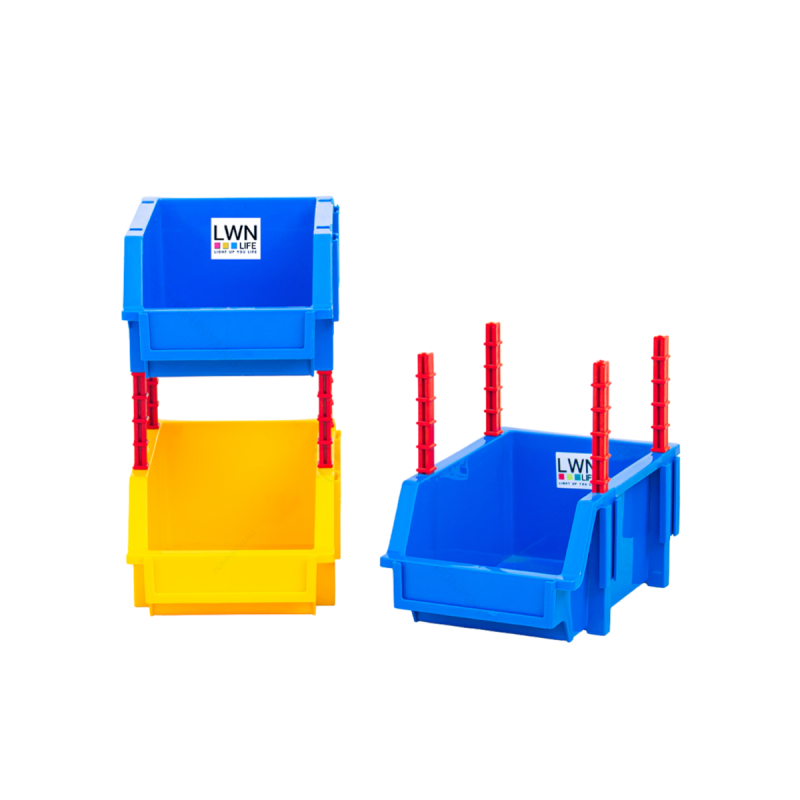
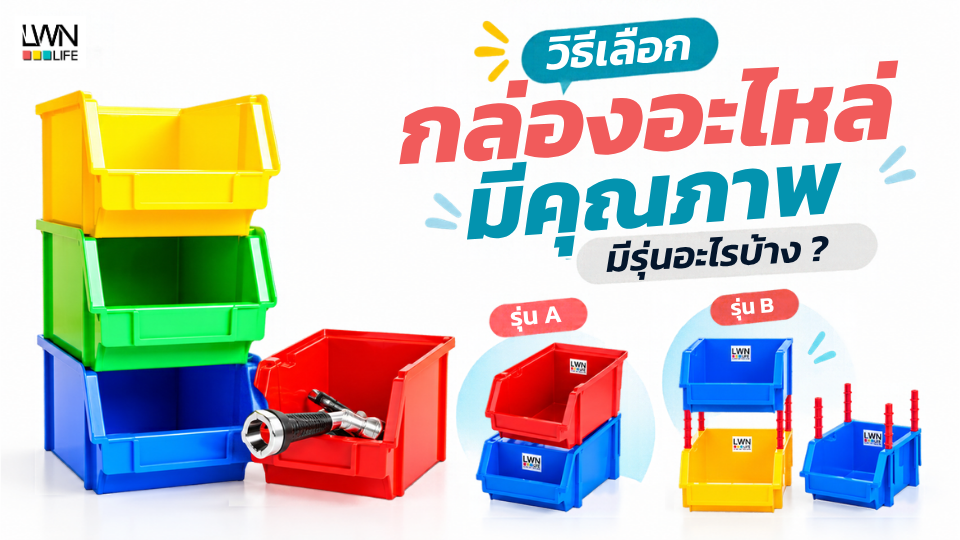
Choose stackable or nestable crates with standard footprints that fit your shelves and pallets. Crates that nest when empty can free up a large amount of floor space.
3. Use quality plastic crates
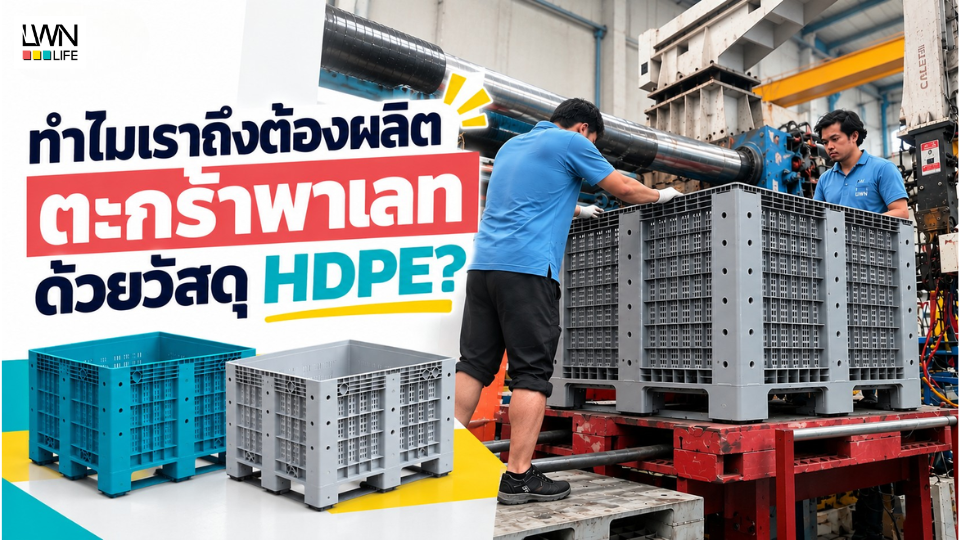
Crates made from new PP or HDPE plastic resist impacts and last much longer than cheap recycled crates or cardboard boxes, lowering your cost per use.
4. Load crates correctly
Respect each crate’s load rating, put heavier crates at the bottom of stacks, and avoid overfilling so crates stack flat and stay stable.
Bringing Your Warehouse System Together
- Standardize crate sizes so shelves and pallets are used efficiently.
- Label every crate and every shelf location.
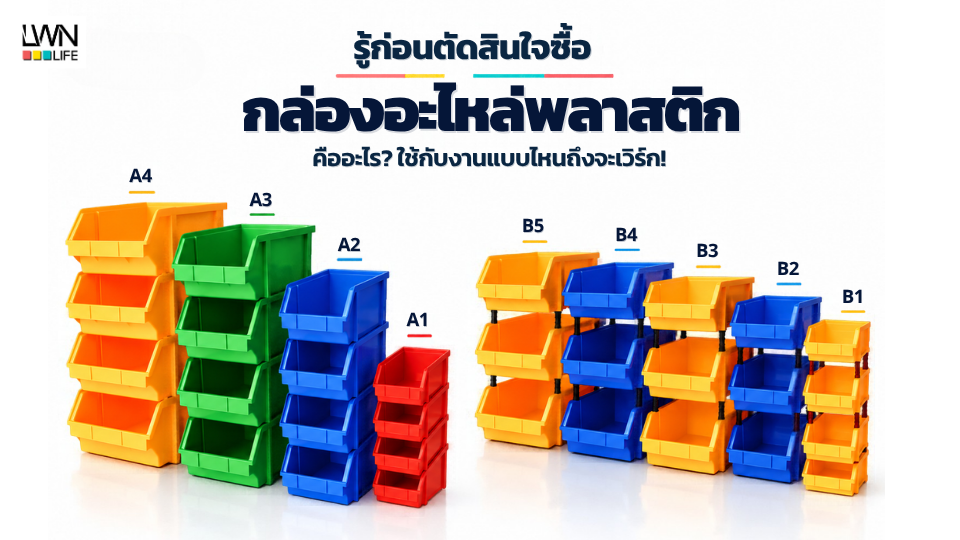
- Use colors to separate product groups or stages of work.
- Review the layout regularly as your products and volumes change.
Learn more about warehouse management systems, and explore our solid plastic crates and mesh crates.
A Factory That Serves Small and Large Buyers
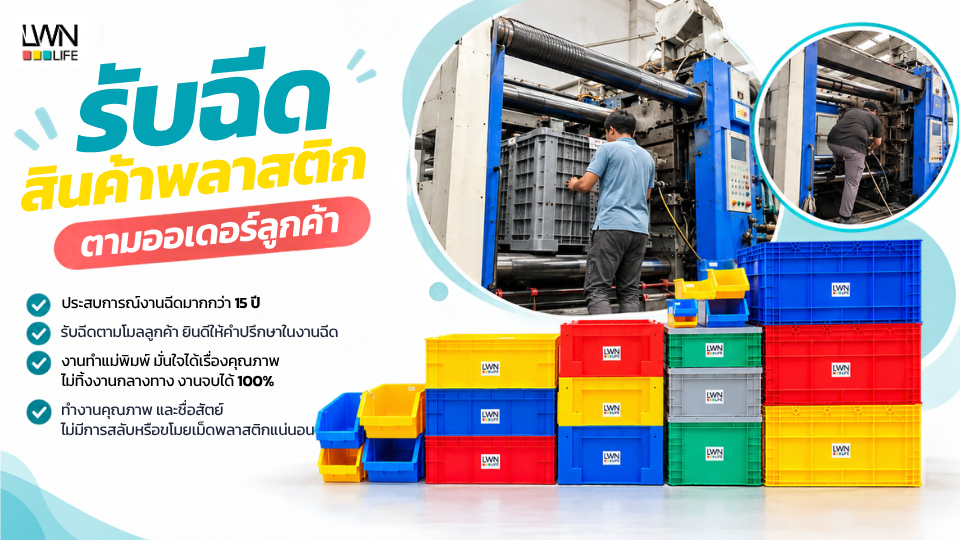
LWNLife manufactures crates in its own factory in Thailand, serving both small shops and large companies. Whether you need a few crates or a full warehouse fit-out, our team can help you choose the right models.
Frequently Asked Questions
Should I use solid or ventilated crates in my warehouse?
Many warehouses use both. Ventilated crates suit fresh produce and items that need airflow, while solid crates protect small parts and dry goods from dust. Standardizing a few sizes of each keeps your warehouse system simple.
How do I know how many crates I need?
Estimate how many items you store or move per cycle, divide by the capacity of each crate, and add 10 to 20 percent extra for crates in transit or being cleaned.
Can crates be customized for my business?
For larger orders, crates can often be made in specific colors or printed with your logo, which helps keep crates in your own system and reduces loss.