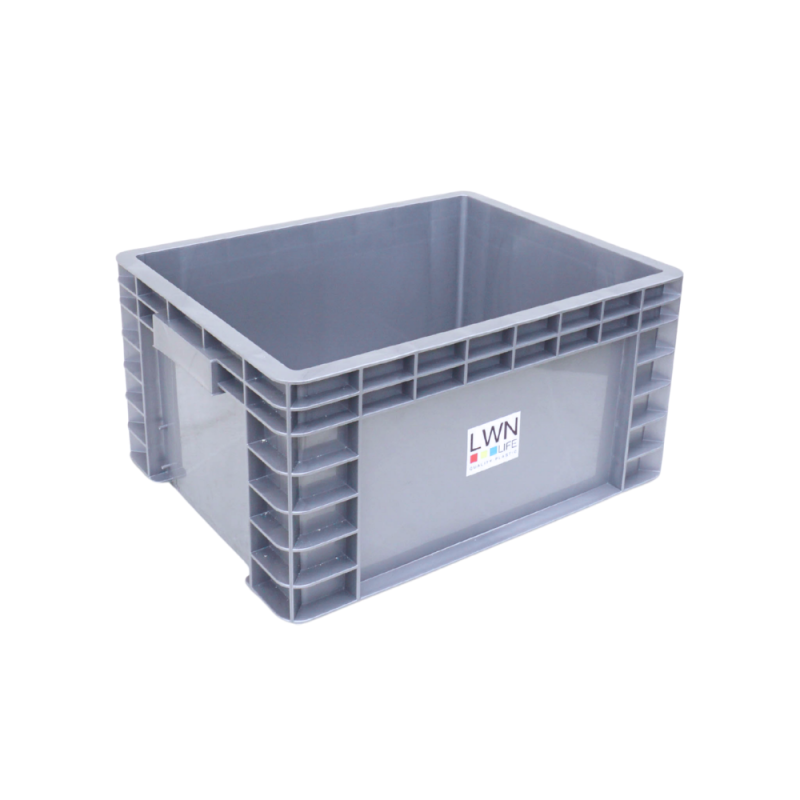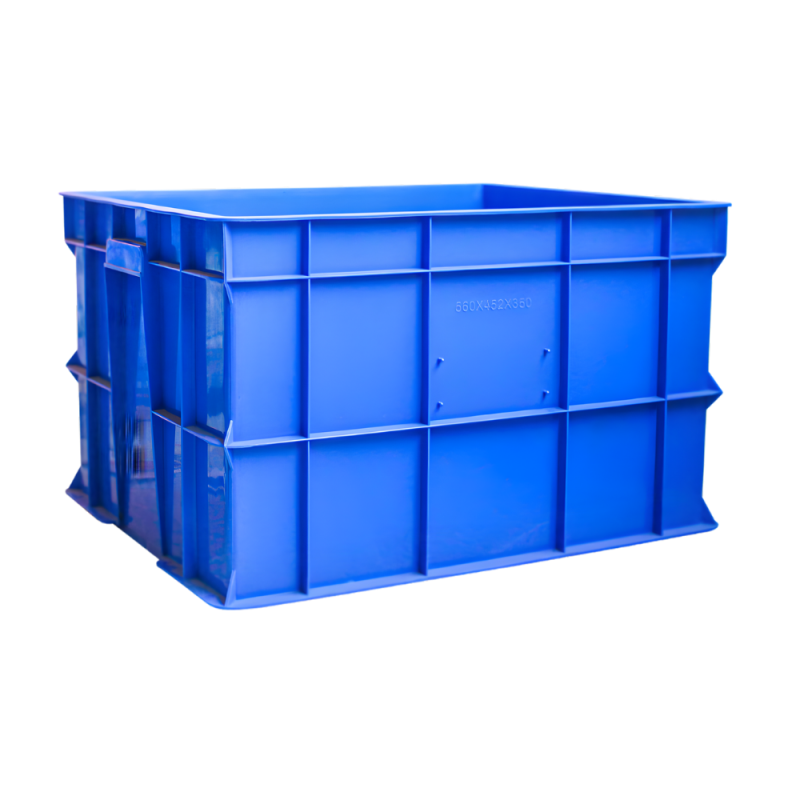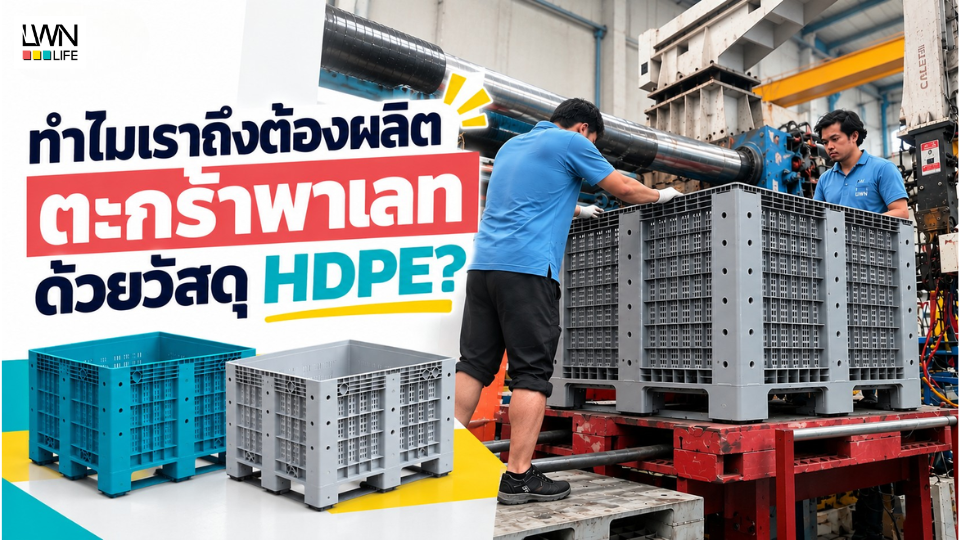



Want to organize your spare parts systematically? In factories, repair shops, and even home workshops, small parts are often the hardest things to find when you need them. Without a good storage system, you waste time searching—or end up buying parts you already have. Plastic spare parts boxes are a simple, popular solution.

Why Choose Plastic Spare Parts Boxes?
- Strong and impact-resistant: quality plastic boxes protect parts from knocks and drops.
- Lightweight and easy to move: even when full, boxes are easy to carry and rearrange.
- Many sizes to choose from: pick sizes that fit your shelves and the parts you store.
- Protection from dust, water, and insects: parts stay clean and ready to use.
- See contents at a glance: open-front designs let you spot the part you need instantly.
Techniques to Organize Your Spare Parts Systematically
1. Sort by type and use
Group parts by category—screws, nuts, washers, fuses, connectors—or by machine and job. Parts used together should be stored together.
2. Use labels
Put a clear label on the front of every box. Include the part name, size, and part number so anyone on the team can find and return items correctly.
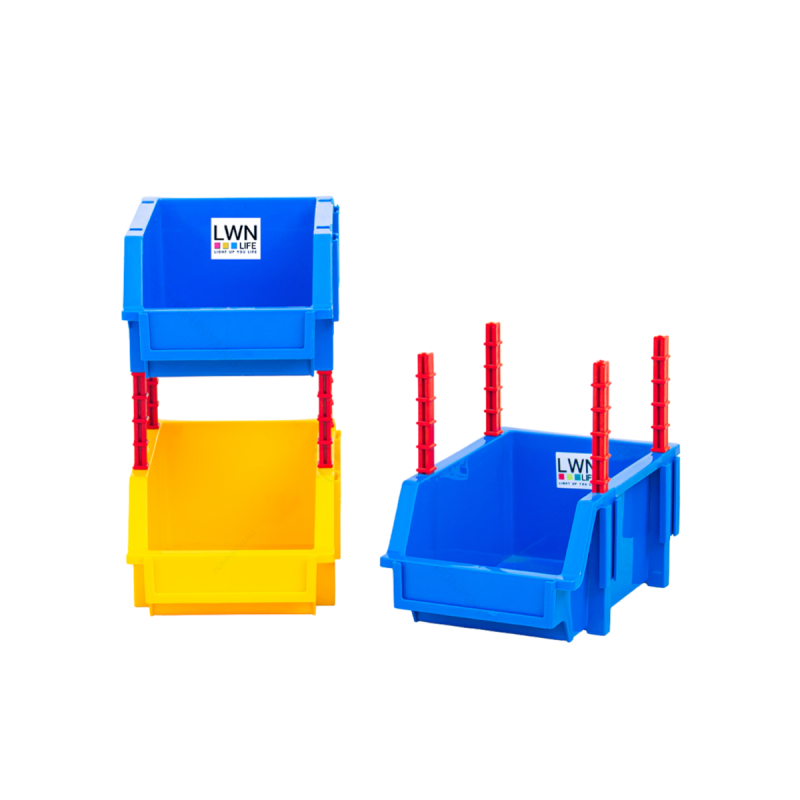
3. Choose stackable parts boxes
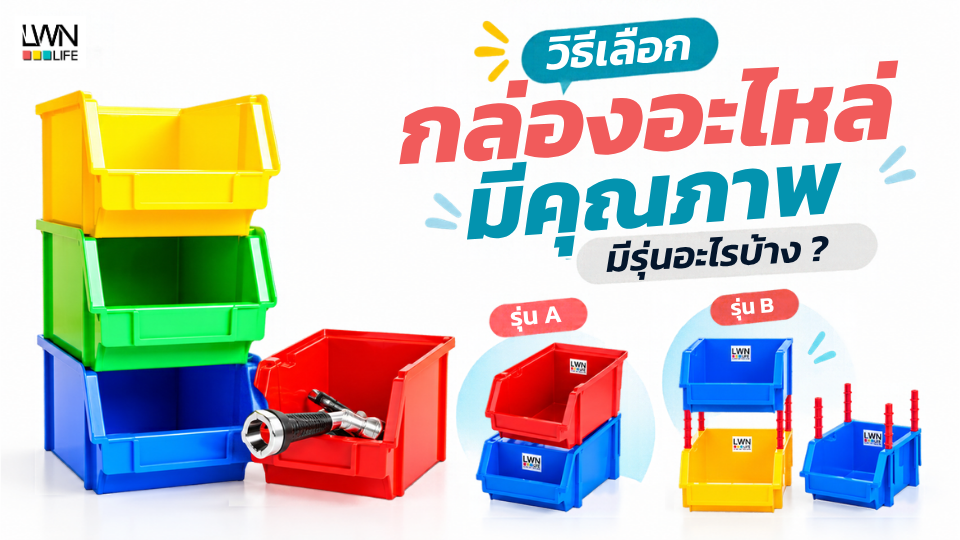
Stackable boxes make use of vertical space and keep shelves neat. Interlocking or legged designs stay stable even when stacked several levels high.
4. Define clear storage zones
Assign each area of the shelf or wall to a category. Keep the most frequently used parts at waist height, and slow-moving stock higher up or lower down.
Organizing spare parts is not a small matter. A good system saves time searching, prevents buying duplicates you already own, and keeps work moving on schedule.
New Ideas for Using Plastic Parts Boxes
- Build a wall-mounted parts station next to the workbench.
- Use different box colors for different departments or machines.
- Create mobile kits for maintenance teams by grouping boxes on a cart.
- Use small boxes in drawers at home for craft supplies, stationery, or hardware.
What to Watch Out for When Buying Parts Boxes
- Check the plastic quality—new PP plastic is tougher and less likely to crack.
- Make sure the walls are thick enough for the weight you plan to store.
- Confirm that boxes stack securely and do not wobble.
- Choose a size range that fits your shelving system.
Start to Organize Your Spare Parts Today
LWNLife makes plastic parts boxes in many sizes and four colors, load-tested by KMUTT. Combine them with a simple 5S routine for a workspace that stays organized. See our stackable parts boxes with legs or browse the online shop.
Frequently Asked Questions
What size parts box should I choose?
Measure your largest parts and your shelf depth first. Small boxes suit screws and electronic components, while larger boxes work better for tools, fittings, and bulky spares. Many workshops mix two or three sizes on the same rack.
How often should I review my parts system?
A quick monthly check is usually enough. Remove empty or unused boxes, update labels, and move fast-moving parts closer to where the work happens. This keeps your system easy to use as your stock changes.
Can I use parts boxes outside the workshop?
Yes. The same boxes help organize pharmacy supplies, office stationery, craft materials, and household hardware.
Do plastic parts boxes need special care?
Not much. Wipe them with mild soap and water, let them dry before refilling, and keep them out of strong direct sunlight. With basic care, good-quality boxes last for many years, which is one more reason to organize your spare parts with durable plastic boxes instead of cardboard.