

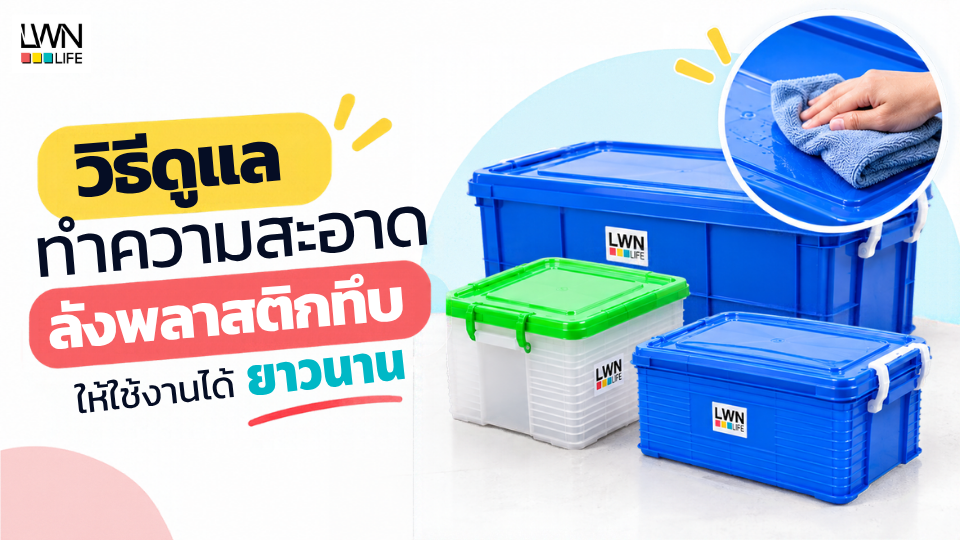
Learn how to clean and maintain solid plastic boxes so they stay hygienic, avoid early cracking, and last for many years in your business.

| “Many businesses choose “”solid plastic boxes/crates”” for their strength, space-saving design, and good load capacity. However, without proper care, these seemingly durable crates can deteriorate quickly, leading to unnecessary replacements and potential hygiene or safety issues. This article compiles professional tips for maintaining solid plastic crates that not only keep them looking new but also extend their lifespan and reduce long-term costs. Solid Plastic Crates Are Used Often — Don’t Let Them Wear Out Easily! Clean Regularly Wash crates immediately after use with mild soapy water or diluted dish detergent. Avoid abrasive brushes or rough materials to prevent scratches that harbor germs. Tip: For stubborn stains, soak in warm water mixed with baking soda for 10–15 minutes. Avoid Harsh Chemicals Though solid plastic crates resist some chemicals, corrosive substances like strong acids, bleach, or bathroom cleaners can make plastic brittle, cracked, or discolored. Use cleaning agents specifically designed for plastics. Inspect Frequently Check for cracks or chips regularly. Remove damaged crates from use promptly to avoid injury, especially when handling heavy or liquid loads. Dry Thoroughly Before Storage Wet crates may develop mold or unpleasant odors, especially when used for food products. Dry crates in shaded sunlight or air dry fully before storing. Store in Dry, Shaded Areas Avoid direct sunlight and high heat that cause plastic to become brittle and degrade faster. Store crates in well-ventilated, dry locations. Use Crates According to Type Choose the right crate for the job—solid crates protect against dust, while ventilated crates allow airflow. Misusing crate types can lead to faster damage or safety risks. Separate Crates by Purpose For businesses using various crate types (e.g., food, industrial goods, chemicals), clearly label or color-code crates to prevent contamination and ensure quality control. Keep Storage Areas Clean Even well-maintained crates can get dirty or develop odors if stored in dirty or humid environments. Regularly clean shelves, floors, and storage equipment. Handle and Stack Properly Stack crates within recommended weight and height limits. Use carts or dollies for transport. Avoid dropping or harsh impacts that can damage crates. Select Materials Suitable for Your Products Plastic crates come in grades like HDPE, PP, or food-grade plastics. For food industries, choose BPA-free materials. For heavy-duty use, pick plastics resistant to impact and chemicals. Monitor Service Life Some crates have a specified lifespan or usage cycle. Even if they look intact, track usage and replace crates as recommended to maintain safety and performance. Proper care for solid plastic crates is straightforward but requires attention to detail. Good maintenance enhances transportation and storage efficiency, lowers costs, and improves product safety—especially important for businesses using large quantities of crates. If you’re looking for high-quality, durable solid plastic crates that last, consider LWNLife’s range—available in various sizes with expert consultation services.” |
Quick Checklist for Solid Plastic Boxes
- Wash with clean water and mild dish soap; avoid harsh chemicals.
- Let boxes dry completely before stacking or storing.
- Avoid leaving boxes in strong sunlight for long periods.
- Do not overload boxes beyond their rated capacity.
- Inspect regularly for cracks and remove damaged boxes from use.
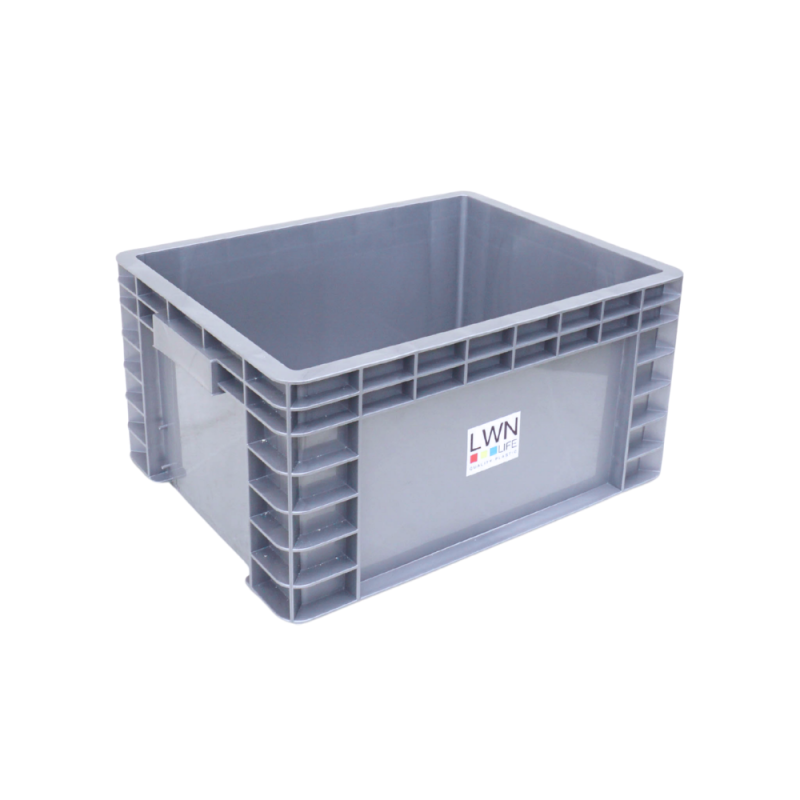
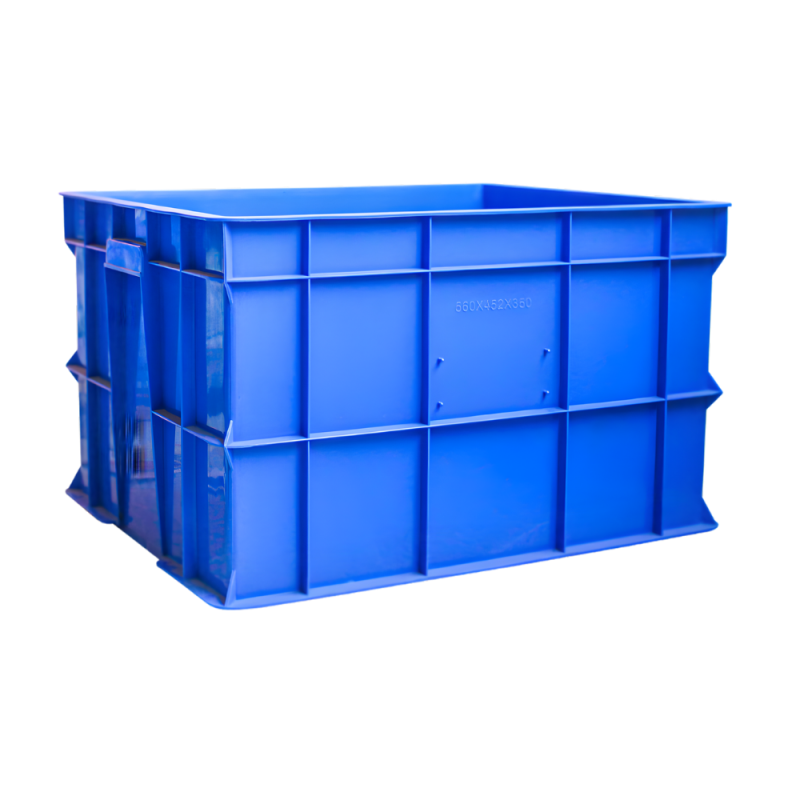
Most crates are made from polypropylene (PP), which responds well to this kind of care. Browse our Solid Plastic Storage Crate 565-A and other models in our online shop.
How Often Should You Clean Plastic Boxes?
For food and produce, clean solid plastic boxes after every use. For general storage and spare parts, a monthly wash is usually enough, plus a quick wipe whenever you see dust or spills. Regular cleaning also makes it easier to spot cracks early.