Quick answer: Loy Krathong waste can be reduced in two ways. People floating krathongs can float one krathong per family, choose natural materials, avoid foam, and skip nails, wire and plastic decorations. Event organizers can contain the floating area so krathongs do not drift into rivers or the sea, set up clear waste-sorting points, prepare to collect krathongs from the water after the event, and use tables, chairs, bins and storage boxes that last for many years instead of single-use items.
Krathong waste in Bangkok is falling, but foam krathongs remain
The Bangkok Metropolitan Administration collects krathongs after Loy Krathong night every year. The last 3 years:
| Year |
Krathongs collected |
Natural materials |
| 2023 |
639,828 |
96.74% |
| 2024 |
514,590 |
98.39% |
| 2025 |
391,027 |
82.76% |
In 2025 the number of krathongs fell about 24% from the previous year, but 28,298 were foam (7.23%) and 39,103 were made of bread (10.01%). Natural krathongs collected by Bangkok are shredded and sent to an organic fertilizer plant, while foam krathongs must go to landfill.
Source: Thai PBS (6 Nov 2025, Thai), citing Bangkok Metropolitan Administration data
For people floating krathongs: 5 ways to reduce waste
- One krathong per family, as Bangkok’s campaign suggests, instead of one each
- Choose natural materials such as banana leaves, banana trunk or flowers, and avoid foam
- Skip nails, wire, pins and plastic decorations, which are hard to separate when krathongs are composted; use wooden pins instead
- Avoid bread krathongs in ponds and still water, where uneaten bread rots
- Float a krathong online if you cannot get to the water; Bangkok has offered online Loy Krathong in recent years
For organizers: checklist for a low-waste Loy Krathong event
For temples, communities, schools, villages, government agencies and businesses that host Loy Krathong events.
Before the event
- Announce that only natural-material krathongs are accepted and ask people not to bring foam
- If krathongs are sold at the event, sell only natural ones
- Ask food stalls to reduce single-use containers and set up a dish-washing point if possible
Contain the floating area so krathongs do not drift into rivers or the sea
Krathongs that drift far cannot be collected and become waste in the water. Containing the area gathers them in one place for easy collection after the event. Choose a method for your venue:
1. Float in an enclosed pool or pond (easiest)
Ideal for temples, schools and villages. Use an existing pool or pond, or build a temporary krathong pool. No krathongs escape into natural waterways and all can be collected afterwards.
2. Floating booms in canals or rivers
- Place a floating boom downstream of the floating point, in a U shape or angled towards the bank, so the current carries krathongs to a corner near the bank where they are easy to scoop out
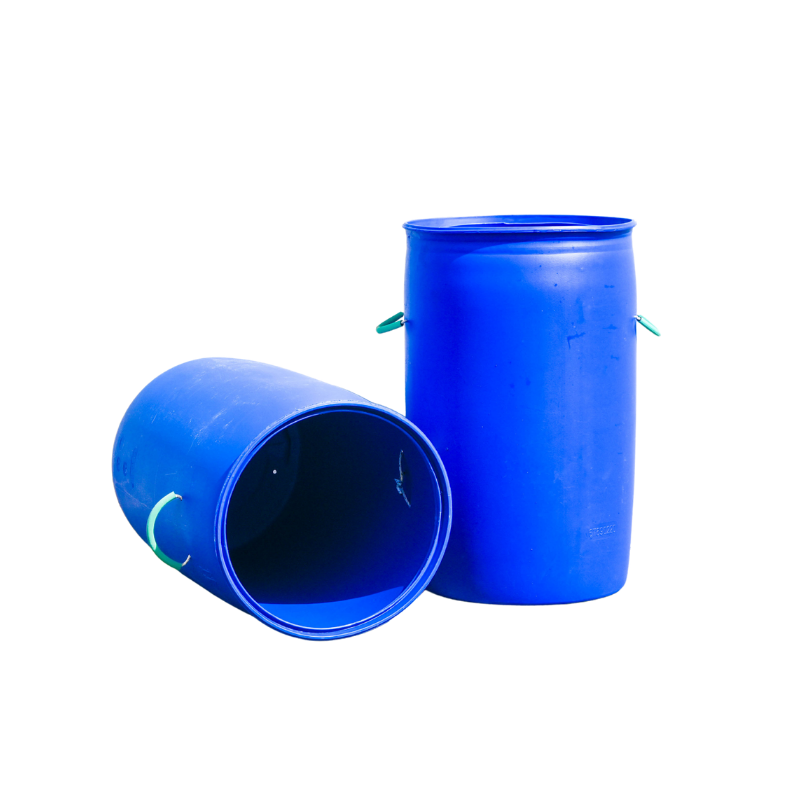
- Make a boom from long bamboo poles tied together, or rope threaded through sealed jerry cans or buckets, with netting hanging slightly below the surface so krathongs cannot slip underneath
- Anchor both ends firmly to posts on the bank and allow extra length for rising and falling water
- On canals or rivers with boat traffic, coordinate with the Marine Department or local authority before placing a boom, and add lights or reflective strips so boats can see it at night
3. Beaches and river mouths
Tides and waves make containment difficult. Set up a temporary krathong pool on the beach or shore instead of floating krathongs into the sea.
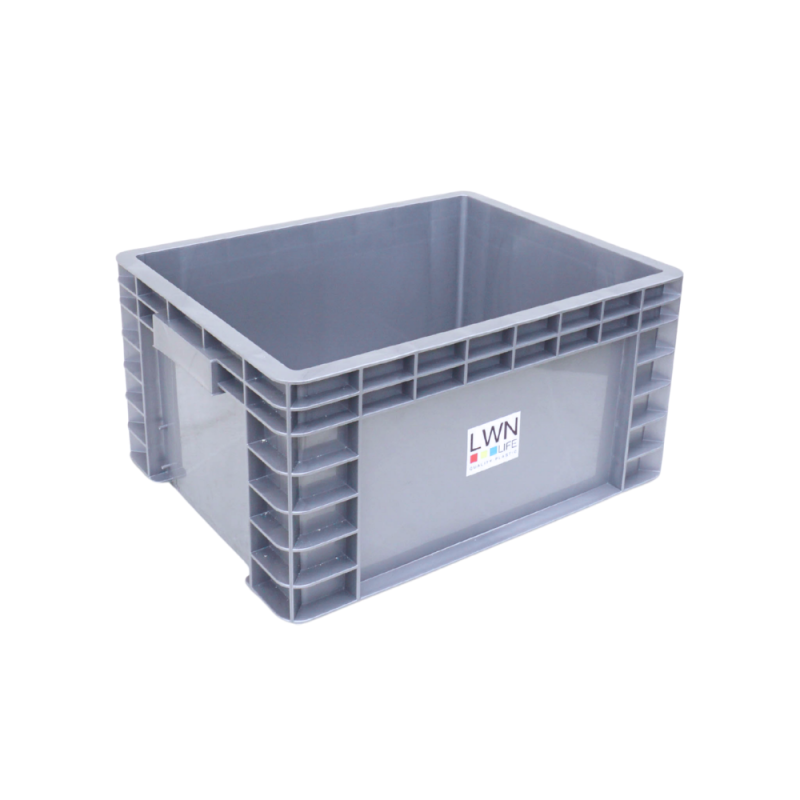
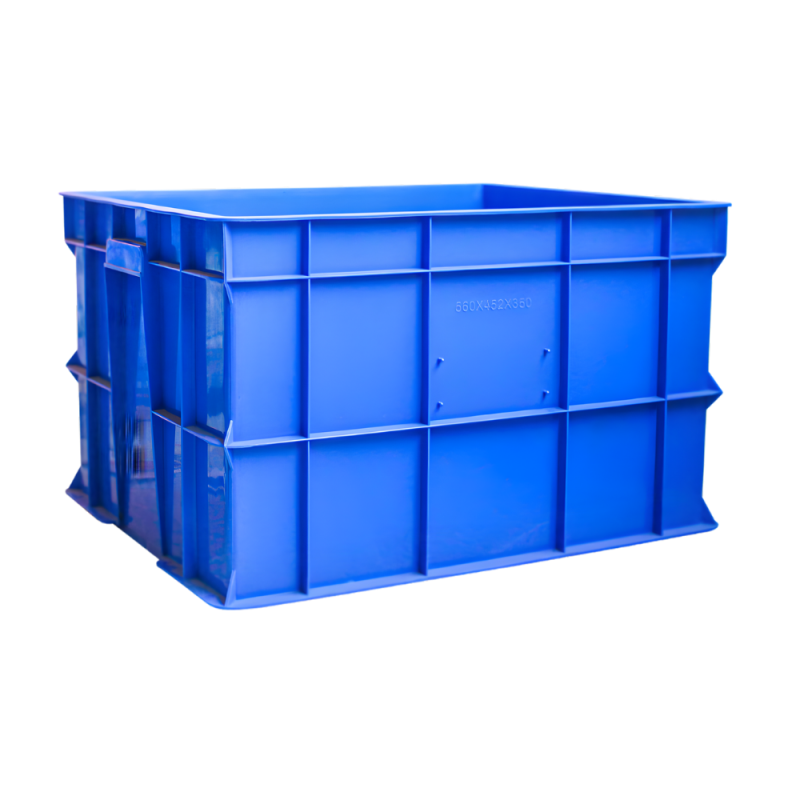
Collection point: set it at the corner where krathongs gather, with long-handled nets or baskets for scooping and ventilated crates that let water drain before loading onto a truck.
Safety: staff collecting krathongs at the water’s edge should wear life jackets, have lighting and work in teams, never entering the water alone at night.
During the event: clear waste-sorting points
- Set up bins in sets for at least 3 types: food waste, recyclables (bottles, cans) and general waste, with large signs that are easy to read at night
- Place bins near food stalls and exits, where most waste is thrown away
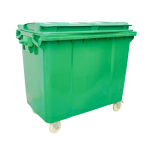
- Use wheeled bins of 120–660 liters that are easy to move and empty; LWNLife bins can be printed with your organization’s name, which helps prevent loss and lets you use them at every event all year
After the event: collect krathongs and separate materials
- Collect krathongs from the water as soon as the event ends, before they sink or drift away
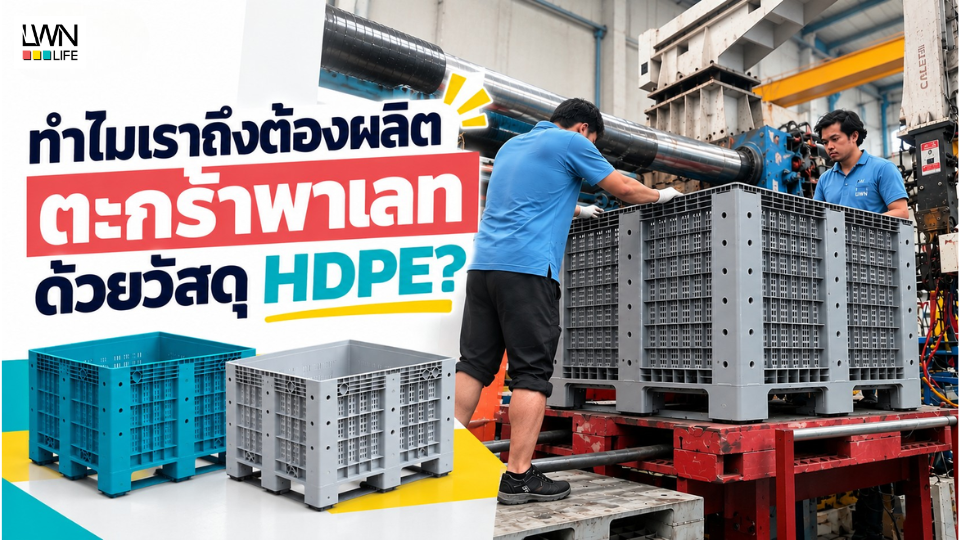
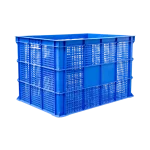
- Use ventilated crates or plastic baskets with holes so water drains out and wet krathongs are lighter to carry
- Separate natural krathongs from foam, nails and wire; natural krathongs can be composted, while foam goes in general waste
- Wash the crates and baskets and store them for next year or other community events
Choose event equipment you can reuse for years
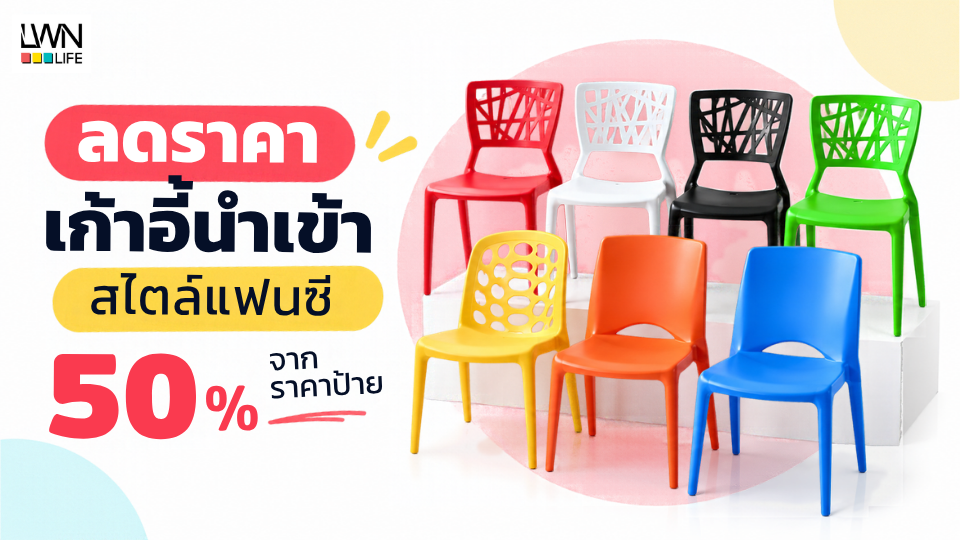
Temples and communities hold events many times a year. Reusable equipment cuts waste and costs over time.
Why a plastics brand encourages less waste
Single-use plastic, like foam krathongs, and thick, durable plastic used for many years, like crates, bins and chairs, have very different environmental impacts. LWNLife makes plastic products that are deliberately thick and long-lasting, so we encourage everyone to float natural krathongs and use reusable equipment at events.
Organizers who need bins, tables, chairs or crates in quantity can see ordering options and request wholesale prices on our Where to Buy page, or call 097-950-8555 · 063-595-9906 · 034-480764 · LINE @lwnlife
Frequently asked questions
What kind of krathong is best for the environment?
One made entirely of natural materials such as banana leaves, banana trunk and flowers, held together with wooden pins instead of nails or wire and without plastic decorations, so it can be composted.
Where do krathongs go after they are floated?
In Bangkok, staff collect krathongs from the water after Loy Krathong night. Natural krathongs are shredded and sent to an organic fertilizer plant, while foam and other materials go to landfill.
Why shouldn’t bread krathongs be floated in ponds?
Bread the fish do not eat rots in the water and pollutes it, especially in still water.
How can krathongs be stopped from drifting into rivers or the sea?
Where possible, float them in an enclosed pool or pond. On canals or rivers, place a floating boom downstream in a U shape or angled towards the bank so krathongs gather in one corner. Coordinate with the Marine Department or local authority first if boats use the waterway. At the beach, set up a krathong pool on shore instead.
What should Loy Krathong organizers prepare to reduce waste?
Accept only natural krathongs, set up waste-sorting points for at least 3 types near food stalls and exits, prepare crates or baskets with drainage holes to collect krathongs after the event, and use reusable tables, chairs and bins.